Request a Free Lawn Evaluation

Subscribe by Email

Your email:

The Green Side Up Lawn Care Blog

Current Articles | RSS Feed RSS Feed

Fall Lawn Care Means Core Aeration and Seeding


Fall time in South Jersey marks the best time for core aeration and seeding. If you are only going to perform two tasks for your lawn, these should be the two: lawn aeration and seeding. They are singularly, the most significant actions you can take to guarantee a healthy lawn next season. You might have read some of our other articles about core aeration in South Jersey. If that’s the case, you’ll recall that we suggested aeration be performed at least once a year. Did we tell you why?

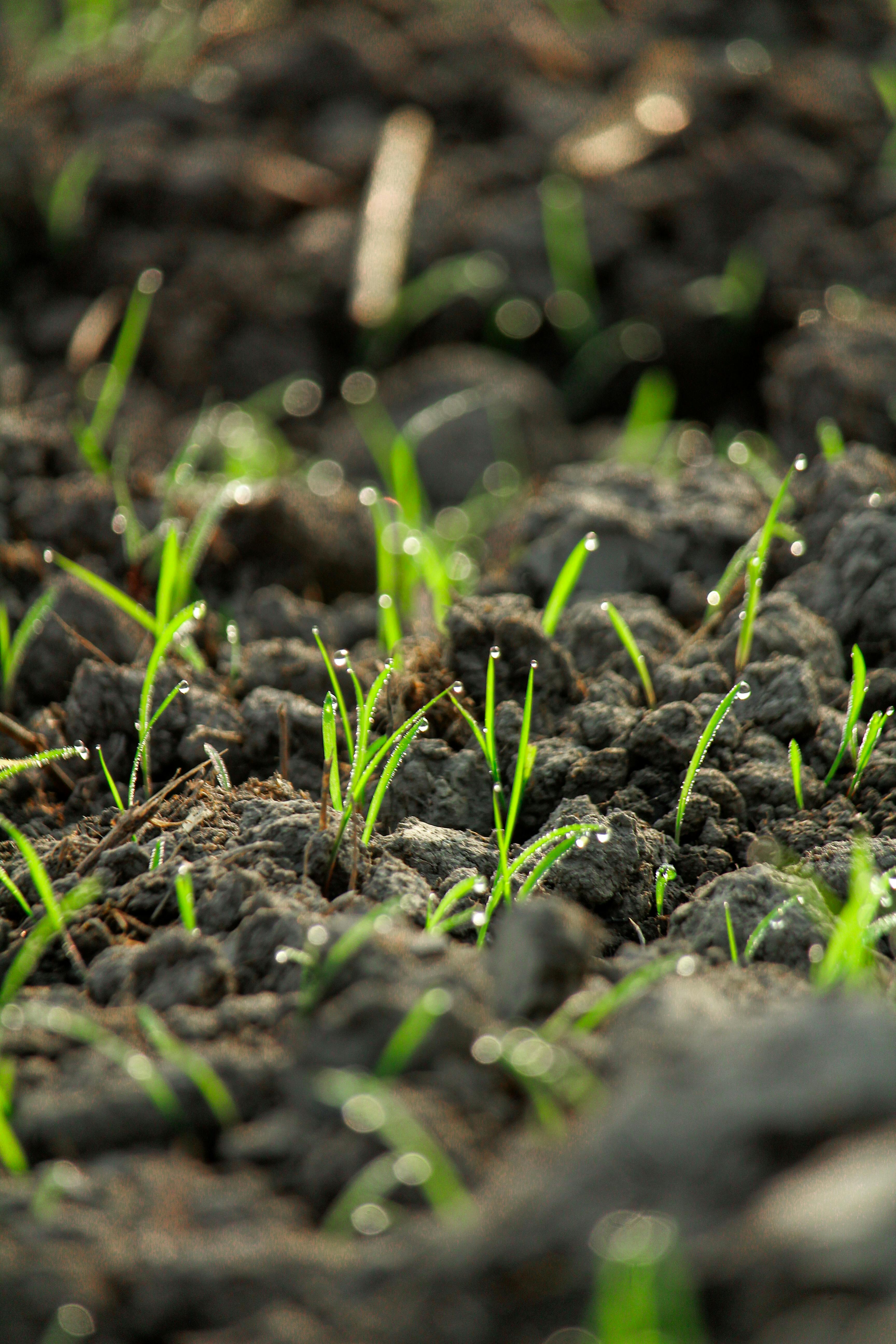
If you seed in the Spring, the hot summer weather will kill your seedlings. If you wait until Summer, well, same thing. Seeding in the fall will allow the seeds to take to earth before the cold weather hits. They can lay dormant during the winter months, then have plenty of cool Spring temps to start sprouting. If you time it right, you’ll have lush, beautiful grass all Summer long.

Not so fast! Before you can seed, you should have lawn aeration completed. In South Jersey lawn aeration and seeding should be done from the last week of August through the last week of October. In the aeration process, a lawn is punctured with a special machine. Aeration loosens compact soil, making it ideal for the seeds to be planted. The loosened soil accepts fertilizer and water more efficiently as well.

Most importantly, if aeration and seeding is not completed, you can expect your lawn to regress in the next year. Fall lawn care in South Jersey does mean you need to perform some aeration and seeding.

Contact us today to request core aeration and seeding.

lawn-core-aeration-schedule-today

Core Aeration - What Golf Courses and You Can Use for Greener Pastures


golf courses use core aerationEver wanted to live on the lush greens of a Golf Course?  Core aeration is the process used by golf courses to produce those beautiful green pastures.  You may also hear it called lawn aeration to denote that landscapers most often use this process on lawns.  If you consider how core aeration works, it suddenly makes sense why you might want to try it at home.

Think of your lawn as a few different layers.  The grass you see, a layer of debris and a layer of soil.  Over time the soil under your lawn can become compacted.  Since the thick, compacted soil becomes impenetrable, grass roots can’t reach all the way down.  Core aeration breaks up soil allowing your lawn all kinds of healthy benefits.  The process uses a special machine. Lawn care providers literally puncture your lawn, much like coring an apple; the machine produces divots on your lawn’s surface.  The process may be repeated a few times until the holes are 2”- 4” apart.  After a few weeks, soil will settle into a looser mixture.  

With lighter, airier soil, after several weeks, core aeration allows grass to grow back stronger.  Any nutrients, like fertilizer, can reach the roots more easily. Even water can get right to the source without as much debris to fight through. Grass roots are able to penetrate deeper into the soil.  The thicker the grass, the more wear and tear it can withstand.  Therefore, Golf Courses aerate about 4 to 5 times a year.

request-lawn-core-aeration-services-toda  

If you want to live in greener pastures, you should have lawn aeration completed at least once a year.  In certain climates where soil compacts more quickly, you may find it wise to aerate more often.  Ask your lawn care company what might work best for you.  The bottom line is, if you want to live like you were on a golf course, you’ll need to have core aeration services at least once a year to develop and maintain those greener pastures.

Lawn Care and Sun Protection: Caring for Your Skin While Caring for Your Lawn.


shirtless lawn mower lawn care skin careDoing your own lawn care in South Jersey means you get to enjoy the mild weather ...or not so mild. Let's face it, we have lots of sun and plenty of hot, hot days all summer long. Whether you consider yourself a couch potato or triathlete, be sure to protect yourself from the sun.

Here are a few tips to help you stay safe:

  1. Wear sun block even when it’s cloudy. This might be the same tip you always get, but we mean it. UV rays continue affecting your skin even when you aren’t in direct sunlight. Be sure to use sunblock on your face. If you have a small yard, you can opt for the sprayed version of sunblock. For longer bouts in the sun, use a bottle version. You know, the old fashioned kind you actually have to pour into your hand. Rumor has it (since science is always changing) that the bottled version is more durable than the spray variety. A bottled sunblock will keep you protected longer.

  2. Wear a shirt that includes UV protection. At sporting good stores like Dick’s, you might notice a UV rating in brands like Under Armour. If you intend to practice South Jersey lawn care, a sun proof shirt will come in handy. They will alleviate the need to wear additional sunscreen on your chest or back. As an added bonus, several have wicking properties to move moisture away from your skin. Ahh … lawn care and sweat wicking, together at last.

  3. Consider doing your lawn care during evening hours. You want to make sure the grass is dry so you don’t dull your mower blades. The evening is probably best. The sun tends to drop around 7:30 p.m. which gives you about an hour of time to complete your mowing. For larger lawns, break up the sections and finish them in two evenings.

Caring for your lawn can be very rewarding. You get outside, into the fresh air and sunshine. You can’t even hear your spouse nagging over the mower, making it the ideal alone time. So, go ahead, do your own lawn care. Just make sure you protect yourself from the sun with our three sun protection tips.

  request-a-free-lawn-evaluation-today

Be sure to remember Green Side Up is always available to answer your lawn care questions or provide you with lawn care tips or professional lawn care services to meet your all your grass care needs.

Fleas, Ticks and Your Lawn


Flea & Tick Control

There are an estimated 1,600 species of fleas. Fleas are blood-sucking insects which cause great pain, discomfort and they are also carriers of disease. Ticks are parasites of warm-blooded animals including humans. Ticks can drain away the vitality and vigor of the animal they attack and they are also known to spread and carry serious diseases. Fleas and ticks can be controlled with proper treatment.

fleaIf you have a heavy infestation of fleas and/or ticks, ridding your pets and property of these irritating insects is a little more complex than a treatment of your lawn. With heavy infestation, it is recommended that on the same day your lawn is treated initially, you should also have your pets sprayed, dusted or dipped as well as have your house treated indoors.

The Green Side Up methodology to lawn care Green Side Up lawn care programin the new millennium is one that is committed to an environmentally-friendly approach. Our state-of-the-art equipment and advanced application techniques allows us to do just that. Green Side Up is dedicated to providing you with a great-looking lawn and landscape, while taking care of our environment. One of the ways we do this is through IPM, or Integrated Pest Management.

What is IPM?

Integrated Pest Management (IPM) is a decision making process for determining what actions to take when pest problems occur. The focus is on creating an environment that is ideal for healthy, sustainable turf grass, while at the same time inhibiting insects, weeds and disease. Our IPM programs implement all available information and treatment methods in order to manage pest problems effectively, economically and in an environmentally sound manner.

Lawn Grub Prevention and Control


What Grubs Do To Your Lawn

Lawn grubs feed on the roots of your grass. In areas of extreme damage the turf begins to brown and die, and the lawn can be lifted up like a piece of carpet. To check for grubs, simply grab a handful of turf grass and tug. If grubs are there, chances are the lawn will lift off. Grub damage can go unnoticed for weeks and even months on turf that is watered consistently. The grubs stay out of sight under the lawn and, with enough water, the turf can appear healthy. But while the damage may not appear quickly, it can completely devastate a lawn — making major lawn renovation and repair the only solution.

Where Do Grubs Come From?

lawn grub in grassThere are many varieties of grubs. June beetles (and others) start their life cycle by laying eggs in the thatch layer of your lawn. These eggs hatch out as "baby grubs" and begin eating their way through the thatch and into the soil. Grubs feed heavily through late summer and fall until cooler weather sends them deeper into the soil for winter. Come spring, they return to the surface to feed until they "pupate" (or go into a type of cocoon) which is when they change into the adult beetles and start the cycle again.

Sod Webworms Targeting A Beautiful Lawn Near You


Sod Webworms

sod webworm lawn moth

Lawn moths are the flying adults of the sod webworm. If you've got a beautiful, thick lawn, you may get singled out to host a population of these lawn insects and turf killers. The adults can (and do) fly to the lawns of their choice. They actually pick the better lawns in which to lay their eggs.

Sod webworms attack many varieties of grass, but are especially deadly on bluegrass lawns. The early warning of a possible sod webworm problem comes when you see small, brownish-gray moths flying in a jerky, zigzag pattern over the lawn in the early evening. These adults don't damage the lawn, but during these evening flights the moths are laying the eggs that soon hatch into the larvae (or worms) that actually feed on the turf. Damage almost never appears in heavily shaded areas. On the other hand, hot and dry areas are favored by webworms.

Webworm Damage

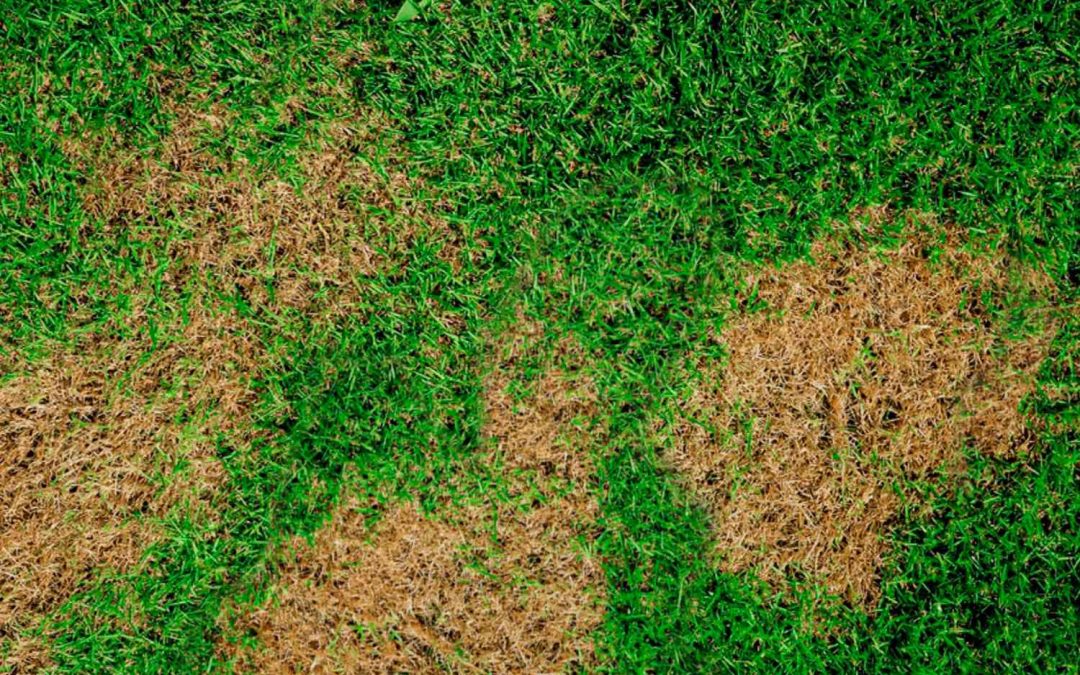
Damage first appears as dead patches scattered through the healthy grass. By the middle of the season, large parts of the lawn may be dead. Sod webworm scattered through the healthy grass are often confused with drought stress by the casual observer. Sod webworms chew the grass blades off very near the thatch layer and drag them into tunnels they build in or above the thatch. The result is patches that look like they've been scalped. Most severe damage shows up in July and August during hot weather.

Young Worms Mostly Eat and Sleep

Winter is spent as partially grown larvae several inches deep in the soil. After the first generation of adult moths have laid their eggs, the resulting worms feed for several weeks before going into the resting or pupil stage prior to emerging as new adult moths. There can be two and as many as three generations of sod webworms per season.

A Dirty Job but Someone's Got To Do It

The surest way to identify sod webworm damage is to locate the tiny green pellets they leave as excrement. On our hands and knees, we spread the grass between areas of healthy and dead grass (the insects work outward into the healthy grass) to find our evidence. If we locate the pellets, we know the larvae are nearby. The worms themselves are 1/4'' to 3/4'' long and have a segmented body like a caterpillar that is brownish or dusty green. The segments of the body each have several dark spots with two or three stiff, spiny hairs protruding from each of the spots.

Chinch Bugs - Prevent This Insect's Lawn Damage This Summer.


Chinch Bugs

When it comes to insect control, one of the trickiest summer insects to catch before serious damage occurs is the chinch bug. Because chinch bugs favor the hot dry conditions of July and August, their damage is easily confused with drought stress or lawn fertilizing issues, especially on slopes and on turf that is not getting regular irrigation.

How Chinch Bugs Cover Their Tracks

This insect is a small (1/6'') sucking bug that causes brown patches of grass as a result of its feeding. Young chinch bugs do the worst damage by piercing the cells of the grass blades and sucking the sap. The blades that are attacked turn yellow, then brown, and then they die.

When a lawn gets infected with chinch bugs, it looks like it is suffering from lack of fertilizer. There are usually a lot of brown grass blades mixed in with healthy ones. As more chinch bugs hatch out, the areas get larger and the brown patch areas expand. Turf in full sun and on slopes is usually hardest hit. Chinch bugs are not picky eaters. Almost any turf grass looks good to them. Bluegrass, fescues, bentgrass, zoysiagrass and St. Augustine can all be killed by this small, but active insect.

Once awake, these guys stay busy all summer

After spending the winter in protected areas, adult chinch bugs feed a little in spring and then mate. The first generation begins hatching in late May. The young (or nymphs) are only half the size of a pinhead. They are red with a white band across the back. As they mature, young chinch bugs shed their skin four times. By early August, nymphs of the second generation begin to appear from eggs laid in late July. Depending on the season and the weather, there can be either one or more generations per year.

Finding the little buggers is tricky

These insects are sensitive to light, and will scurry when exposed to sun. To check for chinch bugs, we go to an area we suspect and simply part the turf with both hands to expose the surface of the thatch. Because the chinch bugs are so small, we're looking for their movement as they burrow into the thatch. We normally check several areas to determine how serious the infestation is. Don't assume brown patches of grass in the summer are just from heat, dryness or lack of lawn fertilization: you may actually be seeing the damage of chinch bugs.

6 Spring Lawn Care Tips and Hints


Pest Control/Disease Repair:

Severe winters may increase the incidence of winter diseases such as snow mold. Proper cultural care is important in helping your lawn recover from stress related winter diseases. Properly timed fertilizer applications and mowing at the recommended height for your grass type are two items that will aid in the recovery of your lawn.

Fertilization:

Spring is a crucial time to fertilize because it replenishes the food reserves your yard draws from while dormant in the winter and fuels grass' rapid growth phase. A thick, healthy lawn also helps prevent weeds.

6 Spring Lawn Care TipsWeed control:

Apply a pre-emergent weed killer on lawns to prevent grassy weeds from germinating. Spring broadleaf weeds like dandelions, clovers and plantains, are best prevented by maintaining a proper mowing height and fertilization.

Watering:

This is the most important element to your lawn. No mater how much grass seed or fertilizer you apply to your lawn, if you do not water your lawn properly, It will NOT grow to be that lush green lawn you always dreamed about. Based on historical records of rainfall, established lawns in New Jersey usually need watering to maintain vigorous growth in the months of June, July and August. In occasional years, watering during the months of May and September may be useful for an established lawn. Watering in May and September should only be done infrequently to compensate for minor drought.

Applying Pre-Emergent Herbicides:

As the name suggests, pre-emergent herbicides address weed control before their seedlings can emerge. Pre-emergent herbicides accomplish this by forming something of a "shield" that inhibits seed germination.
Liming: Besides compaction, the presence of moss plants also signals acidity. Grass plants like a neutral soil pH. You can solve this problem by liming your soil. But don't expect a quick fix: the effects of liming are slow to take place.

De-Thatching:

As a general rule of thumb, up to a ½” of thatch is good. Remember, thatch can be good for lawns, especially during times of drought, water restrictions, and high heat, when it can act like insulation for the soil by providing a screen from sun light and help to hold in moisture. Conversely, thatch that accumulates in excess of ½” can actually work as a disadvantage to your lawn by creating too much buffer between the soil and the grass, thereby preventing sufficient amounts of water, air, and nutrients (fertilizers) to reach the soil. Excess thatch can also encourage the proliferation of pests such a chinch bugs, insects, and various lawn diseases and fungi. While dethatching can be performed at any time, we recommend that it be done prior to the start of the season so that all applications of fertilizer will be more effective.

Lawn Mowing Tips


Mowed LawnLawn Mowing Height:

Contrary to popular belief setting your mower at a very low height can actually increase weeds by exposing the soil surface to sunlight and removing stored nutrients in leaf blades.

Sharp Mower Blades:

If your lawn mower blades look like they’ve been mowing a rock garden and you don’t have any spares consider this - dull mower blades damage grass. Dull mower blades don’t “cut” grass, they tear it, rip it, or shred it. Torn grass is susceptible to the following problems: lawn disease, insects, heat stress, use damage, herbicides, and chemical burn. Damaged grass requires more water for growth and survival.

Grass suffering from physical damage and abuse is weak because it is striving to repair itself or replace the injured blades. Its growth rate slows thus making it susceptible to further damage. The one major way grass resists damage from pedestrians, disease, insects, heat stress, and so on is its ability to grow fast and replace itself. Grass has enough problems without further aggravation from damage caused by dull mower blades.

For Your Lawns Sake Know When To Renovate


Lawn damage from spring renovations Know When To Renovate: Spring is not the time!

When you remove or disturb lawn areas in the spring, you are encouraging weeds to occupy the nice warm space at the soil’s surface that you just opened up. At this time of the year, the growth of the weeds is going to out compete the grass.

The best time for any major renovations is in the late summer/early fall when less weed competition and autumn rains will give a little push from Mother Nature.

If damage has already been done or if renovations just can not wait contact Green Side Up to help you getting your looking great again. We also provide all services related to a successful sod installation.

All Posts